

Step into any great cinema, gaming room or streaming setup and you feel it before you see it. The sound wraps around you, dialogue stays crystal clear and explosions hit with just the right punch. That sense of immersion does not happen by accident. It is the result of deliberate acoustic design, where layout, materials and subtle technical choices work together to shape how you hear.
For many home enthusiasts, the journey starts with a simple realisation: expensive speakers and a big TV are not enough. Hard walls, bare floors and large windows throw sound back into the room, creating echoes, muddied bass and listening fatigue. The real upgrade often comes from something far less glamorous but far more transformative – thoughtful use of acoustic treatment.
Why great sound starts with the room
Most people think sound quality lives inside their headphones or speakers. In reality, the room itself acts like a giant filter. Every sound wave that leaves a speaker bounces off surfaces, interferes with other waves and either reinforces or cancels parts of the audio spectrum. That is why the same sound system feels tight and cinematic in one space and boomy and harsh in another.
In a typical living room or open-plan apartment, you deal with three main problems: flutter echo between parallel walls, long reverberation that smears detail, and standing waves that cause certain bass notes to roar while others vanish. Microphone measurements reveal these issues clearly, but you do not need lab gear to notice them. Try clapping your hands in an empty room; the sharp, metallic ring that follows is exactly what your films and games are fighting against.
This is where acoustic panels enter the picture. Rather than blocking sound like insulation in a wall, panels absorb specific frequencies, taming reflections and shortening reverb time. The result is not a “dead” studio feel, but a controlled soundstage where effects sit in their own space and dialogue cuts through the mix.
From echo chamber to home cinema
Imagine a small apartment lounge with a big screen mounted opposite a bare wall, a wooden floor and a glass sliding door off to the side. At moderate volume, dialogue becomes hard to follow and you find yourself constantly reaching for the remote. The speakers are not the problem; the room is throwing sound back at you from every angle.
Strategically placed panels change that experience. A row of absorbers at the first reflection points along the side walls stops early echoes from smearing the stereo image. A few larger panels on the back wall reduce slapback, so you no longer hear a faint ghost of every line a split second later. Add a couple of bass traps in the corners and low-end notes in soundtracks become even and powerful instead of boomy.
The transformation feels subtle at first. Nothing looks radically different, yet you start to notice how low-volume listening suddenly becomes satisfying. Quiet dialogue in a tense sci-fi scene stays intelligible without subtitles. Dynamic range in games feels wider; footsteps and environmental details are easier to place, so your reaction time improves almost without you noticing.
Gaming, streaming and the sound of presence
For gamers and streamers, sound is not just atmosphere; it is information. The direction of a distant gunshot, the soft creak of a door behind you, the reverb tail of a spell in a fantasy RPG – all of it shapes your sense of presence. When your room throws those cues around randomly, positional audio loses precision.
Treating a gaming setup with acoustic panels does more than improve your own experience. If you stream or record content, your microphone picks up less room echo and background noise. That means cleaner voice tracks without heavy digital processing, which often introduces its own artefacts. Viewers stay focused on your commentary instead of being distracted by a hollow, boxy tone.
Creators who shoot video reviews, unboxings or reaction content in the same room also benefit. A treated space sounds more “professional” even with affordable gear, because the room stops colouring every word. That consistency becomes part of your personal brand, whether you are covering superhero movies, fantasy series or the latest blockbuster game.
Style, identity and the look of sound
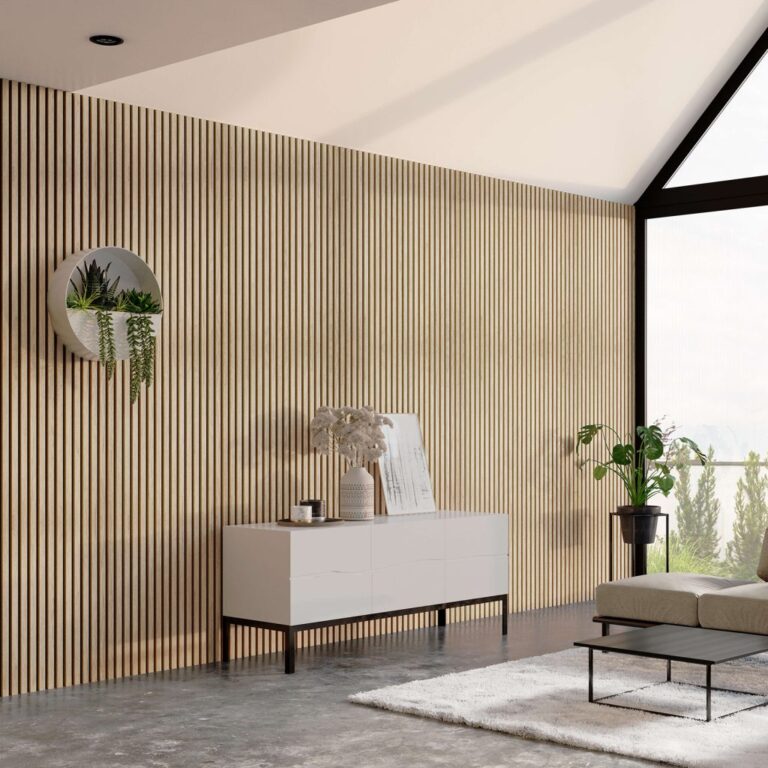
The stereotype of acoustic treatment still lingers: dull grey foam tiles stuck haphazardly to the wall. Modern solutions break far from that image. Many panels now double as design pieces, with wooden slats, bold colours or geometric patterns that match your interior rather than fight it.
This visual side matters more than most enthusiasts admit. A home cinema is often also a family lounge. A gaming den might share space with a home office. If treatment looks like studio gear, it risks staying in the online cart. When panels resemble stylish wall art or timber cladding, they feel like an upgrade to the room’s identity, not an intrusion.
Thoughtful design lets you tell a story with your space. Dark, vertical slats behind a TV lean into a moody, cinematic vibe. Bright, angular patterns around a PC setup echo the energy of RGB lighting and sci-fi aesthetics. The result is a room that looks as intentional as it sounds, a backdrop that feels ready for late-night sessions or binge-watching marathons.
Bringing it all together
In the rush to chase higher resolutions, bigger screens and more powerful speakers, it is easy to overlook the quiet hero of every great entertainment setup: the room itself. Acoustic treatment does not shout for attention, yet it shapes every explosion, every whispered line and every soundtrack swell you experience.
By treating sound as part of the design, not an afterthought, you unlock the full potential of the gear you already own. Films feel more cinematic, games more responsive and streaming sessions more polished. The upgrade does not live in a spec sheet; it lives in the way your space makes you feel when the lights dim and the opening theme starts.
In the end, acoustic panels are less about decoration and more about immersion. They turn ordinary rooms into places where stories land harder, where details matter and where your favourite fictional universes feel just a little closer to real.